
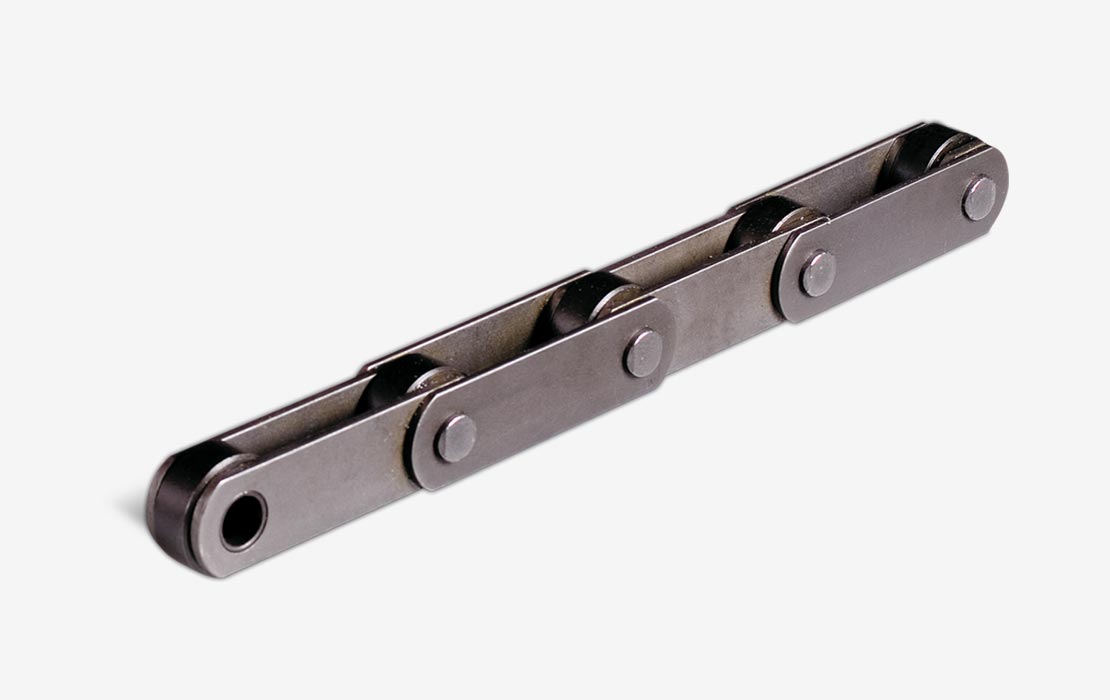
Conveyor chains are the unsung heroes of industrial material handling, quietly powering countless manufacturing, distribution, and logistics operations worldwide. From moving products along assembly lines to transporting materials in warehouses, conveyor chains play a crucial role in streamlining processes, increasing efficiency, and optimising productivity.
Understanding Conveyor Chains:
Conveyor chains are mechanical devices with interconnected links forming a continuous chain loop. These chains are typically made from durable materials such as steel, stainless steel, or plastic, and they come in various configurations to suit different applications.
The basic components of a conveyor chain include:
- Links: These are the individual segments of the chain that are interconnected to form the chain loop. Links can vary in size, shape, and design depending on the type of conveyor chain.
- Rollers or Sprockets: Rollers or sprockets are attached to the links and are responsible for guiding the movement of the chain along the conveyor system.
- Attachments: Some conveyor chains feature specialised attachments, such as cleats, buckets, or crossbars, which are designed to facilitate the handling of specific types of products or materials.
Types of Conveyor Chains:
There are several types of conveyor chains available, each designed for specific applications and operating conditions.
Some common types include:
- Roller Chains: Roller chains feature cylindrical rollers spaced evenly along the chain, providing smooth and efficient movement. They are commonly used in applications requiring high-speed and heavy-load handling, such as automotive assembly lines and industrial machinery.
- Attachment Chains: Attachment chains have specialised attachments, such as extended pins or plates, that are used to convey products with irregular shapes or to facilitate specific handling tasks, such as sorting or diverting.
- Engineering Class Chains: Engineering class chains are heavy-duty chains designed for rugged environments, such as mining, construction, and agriculture. They are built to withstand extreme conditions and heavy loads, making them ideal for demanding applications.
- Mat-Top Chains: Mat-top chains feature flat surfaces that provide stable conveying for products such as bottles, cans, and boxes. They are commonly used in food processing, beverage bottling, and packaging industries.
- Tabletop Chains: Tabletop chains consist of flat plates connected by pins to form a continuous chain loop. They are often used in conveyor systems for transporting goods in the pharmaceutical, automotive, and electronics industries.
Applications of Conveyor Chains:
Conveyor chains find applications in a wide range of industries and processes, including:
- Manufacturing: Conveyor chains are used to transport raw materials, components, and finished products along assembly lines in manufacturing facilities.
- Distribution and Logistics: Conveyor chains are essential for sorting, conveying, and distributing packages and parcels in warehouses, distribution centres, and shipping facilities.
- Mining and Quarrying: Conveyor chains are employed in mining and quarrying operations to transport bulk materials such as coal, ore, and aggregates.
- Food Processing: Conveyor chains are used in food processing plants to handle and transport food products safely and hygienically.
- Automotive: Conveyor chains play a vital role in automotive manufacturing, facilitating the movement of vehicle components through assembly processes.
Benefits of Conveyor Chains:
The use of conveyor chains offers numerous benefits, including:
- Increased Efficiency: Conveyor chains automate material handling processes, reducing manual labour and improving throughput and productivity.
- Versatility: Conveyor chains can be customised to suit specific applications, allowing for flexible and adaptable material handling solutions.
- Reliability: Conveyor chains are durable and reliable, providing consistent performance even in demanding environments.
- Cost-Effectiveness: Conveyor chains help reduce operating costs by minimising material wastage, labour expenses, and downtime.
Maintenance Tips for Conveyor Chains:
To ensure optimal performance and longevity of conveyor chains, regular maintenance is essential. Some maintenance tips include:
- Regular Inspection: Inspect conveyor chains for signs of wear, damage, or misalignment regularly.
- Lubrication: Keep the chain properly lubricated to reduce friction and prevent premature wear.
- Tension Adjustment: Ensure that the chain tension is properly adjusted to prevent slippage or excessive wear.
- Cleaning: Keep the conveyor chain clean and free from debris, dust, and contaminants that can cause damage or hinder performance.
- Replacement of Worn Parts: Replace any worn or damaged components, such as links, rollers, or sprockets, to maintain optimal performance and safety.
Summary of Conveyor Chains and Their Uses
- Conveyor chains are essential components in industrial material handling systems, providing efficient and reliable transportation of goods and materials.
- They come in various types, including roller chains, attachment chains, engineering class chains, mat-top chains, and tabletop chains, each designed for specific applications and operating conditions.
- Conveyor chains find widespread use in industries such as manufacturing, distribution, mining, food processing, and automotive, where they automate processes, improve efficiency, and increase productivity.
- The benefits of conveyor chains include increased efficiency, versatility, reliability, and cost-effectiveness, making them indispensable tools for modern industrial operations.
- Proper maintenance, including regular inspection, lubrication, tension adjustment, cleaning, and replacement of worn parts, is essential to ensure optimal performance and longevity of conveyor chains.
Final Words from Suppliers of Conveyor Chains
Conveyor chains are indispensable tools for modern industrial material handling, offering efficiency, reliability, and versatility across a wide range of applications. By understanding the different types of conveyor chains, their uses, benefits, and maintenance requirements, businesses can optimise their material handling processes and drive greater productivity and profitability.
Whether you’re in manufacturing, distribution, mining, or food processing, investing in high-quality conveyor chains can help streamline operations, improve efficiency, and stay ahead of the competition in today’s fast-paced industrial landscape.
Contact us today to explore our premium range of conveyor chains and discover how we can help streamline your operations, improve efficiency, and boost productivity.